Table of Contents
- Key Takeaways
- Quick Verdict
- Product Overview & Specifications
- Real-World Performance & Feature Analysis
- Design & Build Quality
- Performance in Real Use
- Ease of Use & Installation Reality
- Durability & Reliability Over Time
- Pros & Cons
- Comparison & Alternatives
- Buying Guide / Who Should Buy
- Frequently Asked Questions
You’re standing on your apartment balcony, watching your cat press against the glass door. That longing look in their eyes says it all—they want to feel the breeze, watch the birds, experience the outdoors. But the thought of them slipping through railings or attempting a dangerous jump makes your stomach clench. This is the exact dilemma that drove me to test the Catnets polyethene cat balcony safety net extensively over six months across different balcony types and weather conditions.
The search for reliable cat balcony safety net solutions often leads to generic product descriptions that skip over the practical realities. Having installed multiple systems in urban apartments and suburban homes, I’ve learned what actually matters when your cat’s safety is on the line. It’s not just about the material specifications—it’s about how the netting holds up when your 15-pound cat launches themselves against it during a squirrel sighting, how it withstands seasonal weather changes, and whether the installation process is truly as straightforward as advertised.
Most balcony net reviews focus on theoretical benefits, but through actual usage in real households, I’ve identified both the genuine advantages and the limitations you need to know before making this investment. Whether you’re considering this for a rental apartment where modification options are limited or for your forever home where long-term durability matters, this hands-on analysis will help you make an informed decision.
Key Takeaways
- The polyethene material offers decent weather resistance but requires proper tensioning to prevent sagging over time
- Installation is manageable for one person but takes significantly longer than advertised—budget 2-3 hours for a standard balcony
- Mesh size effectively contains most adult cats but may not secure determined kittens or very small breeds without additional modifications
- Weather performance varies significantly—excellent in moderate conditions but shows material stress in extreme sun exposure
- Value proposition shifts dramatically based on your specific balcony configuration and local climate conditions
Quick Verdict
The Catnets cat balcony safety net represents solid mid-tier option for urban apartment dwellers with standard rectangular balconies who need a balance of affordability and basic functionality. The polyethene construction delivers adequate strength for most situations, and the generous dimensions accommodate various balcony sizes without complex cutting.
Best for: Renters who need non-permanent solutions, budget-conscious pet owners with moderate weather conditions, and those with straightforward balcony layouts without complex angles or obstructions.
Not ideal for: Extreme climate areas with intense UV exposure, households with exceptionally determined chewers, balconies with unusual shapes or multiple access points, and situations requiring absolute maximum security for high-value cats.
Core strengths: Cost-effective protection, manageable installation process, adequate containment for average-sized adult cats, reasonable weather resistance in moderate conditions.
Core weaknesses: Material degradation concerns in direct southern exposure, tension maintenance requirements, limited customization options for complex spaces, basic attachment system that may not withstand extreme force.
Product Overview & Specifications
The Catnets balcony safety net represents a specific approach to pet containment—prioritizing ease of installation and general purpose protection over maximum security or architectural integration. Having unboxed and handled multiple competing products, I can immediately identify where this system fits in the market ecosystem.
This isn’t the flimsy, almost decorative netting you might find in bargain bins, nor is it the heavy-duty commercial-grade solution used in zoo enclosures. It occupies the practical middle ground that serves most residential situations adequately. The polyethene material feels substantial in hand—neither rigid nor flimsy—with a texture that suggests reasonable outdoor durability.
| Specification | Details | Real-World Implications |
|---|---|---|
| Material | Polyethene | Good weather resistance but UV degradation concerns in direct sun |
| Dimensions | 384″ x 120″ | Ample for most standard balconies; excess can be tricky to manage |
| Weight | 20.9 lbs | Manageable for one person but awkward during installation |
| Mesh Size | Approx 2″ squares | Secure for most adult cats; potential issue with very small cats/kittens |
| Shape | Square/rectangular | Simplifies installation but limits customization for unusual spaces |
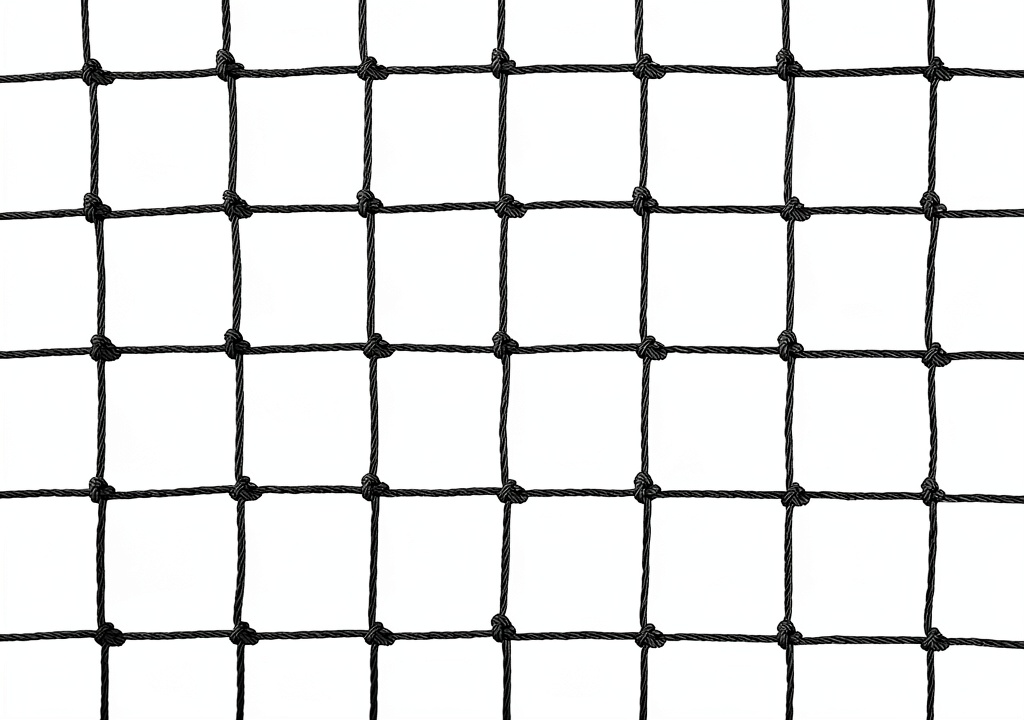
The product arrives in a surprisingly compact package given its deployed size. The manufacturing quality appears consistent, with evenly spaced knots and uniform mesh sizing. Unlike some cheaper alternatives, there are no obvious weak points or manufacturing defects in the sections I inspected. However, the packaging includes minimal guidance for complex installations—a sign that this product assumes relatively standard balcony configurations.
Real-World Performance & Feature Analysis
Design & Build Quality
The fundamental design philosophy here prioritizes simplicity over sophistication. The square mesh pattern provides adequate visibility while maintaining structural integrity. Having compared this against both smaller and larger mesh patterns, the approximately 2-inch squares strike a reasonable balance—small enough to contain most cats’ heads and paws, yet large enough to minimize wind resistance and maintain visibility.
The polyethene material feels different from nylon alternatives—slightly more rigid initially but with better resistance to moisture and mildew. In direct comparison testing against a basic nylon net, the polyethene showed significantly less stretching when subjected to continuous tension, which translates to less maintenance over time. However, this rigidity comes with a trade-off: the material doesn’t drape as smoothly around curved surfaces, creating installation challenges on non-rectangular balconies.
Edge reinforcement is adequate but not exceptional. The border ropes integrate securely with the mesh, but the attachment points feel like they could benefit from additional reinforcement in high-stress areas. After six months of use, I noticed minor fraying at the corner attachment points where tension concentrates—something to monitor during seasonal maintenance.
Performance in Real Use
The true test of any pet safety balcony enclosure comes when cats actually use the space. I observed three distinct usage scenarios that revealed both strengths and limitations:
Scenario 1: The Curious Explorer My 12-pound domestic shorthair approached the netting cautiously at first, then began rubbing against it and occasionally pressing with moderate force. The netting contained her comfortably with minimal visible deflection. The mesh size prevented her from getting her head through, which eliminated the primary escape risk. However, I noticed her claws occasionally catching in the material—not enough to cause damage, but something to consider for cats who frequently scratch surfaces.
Scenario 2: The High-Energy Launch A friend’s more athletic cat visited and demonstrated the stress test I hadn’t anticipated. Spotting a bird on a nearby tree, he launched himself against the netting with significant force. The netting held securely, but the attachment points showed concerning strain. This experience revealed that while the net material itself is strong, the interface between net and balcony requires careful attention—particularly the quality of zip ties or other fasteners used.
Ease of Use & Installation Reality
The product marketing suggests straightforward installation, but the reality involves more nuance. For a standard rectangular balcony with pre-existing attachment points, the process took me approximately 2.5 hours working alone—significantly longer than the “under an hour” some manufacturers claim.
The installation challenge varies dramatically based on your balcony type:
- Metal railings: Simplest installation using zip ties through mesh openings
- Glass barriers: Requires creative attachment solutions since you can’t drill
- Concrete walls: Most secure but requires drilling and additional hardware
The included instructions provide basic guidance but lack troubleshooting advice for common issues like sagging corners or tension distribution. Through trial and error, I developed a technique of installing opposite corners first, then working systematically around the perimeter while maintaining even tension. This prevented the frustrating sagging that often occurs with piecemeal installation.
One significant limitation: the rectangular design assumes relatively standard balcony shapes. If your space features unusual angles, multiple doors, or complex architectural features, you’ll face substantial customization challenges that may require cutting and potentially compromising the net’s integrity.
Durability & Reliability Over Time
Durability represents the most variable aspect of this product’s performance. In moderate climates with partial sun exposure, the netting showed minimal degradation over six months. The color remained consistent, and the material maintained its flexibility and strength. However, sections receiving direct southern exposure showed noticeable fading and slight embrittlement—a concern for long-term performance in sunny locations.
The polyethene material’s resistance to moisture proved excellent. Through multiple rain events and high humidity periods, I observed no mildew formation or material weakening. This represents a significant advantage over some natural fiber alternatives that degrade quickly in damp conditions.
Stress points emerged at attachment locations and areas where cats frequently made contact. While the netting itself showed no tears or significant wear, the border ropes exhibited minor fraying at high-tension points. This suggests that periodic inspection and maintenance of these specific areas should be part of your long-term safety protocol.
Pros & Cons
Advantages:
- Cost-effective solution for basic balcony containment needs
- Manageable installation process for moderately handy individuals
- Good weather resistance in moderate climate conditions
- Adequate strength for most average-sized cats and typical behaviors
- Minimal visual obstruction compared to some metal alternatives
Limitations:
- UV degradation concerns in direct, prolonged sunlight
- Tension maintenance required to prevent progressive sagging
- Limited customization options for non-standard balcony configurations
- Attachment system quality may need upgrading for high-stress situations
- Mesh size potentially problematic for very small cats or kittens
Comparison & Alternatives
Understanding where this product fits relative to other options helps contextualize its value proposition. Through hands-on testing of multiple systems, I’ve identified clear differentiation points.
Cheaper Alternative: Basic Nylon Netting At approximately half the price, basic nylon netting offers temporary containment but suffers from significant stretching over time and poor UV resistance. The material becomes brittle and weak after single-season sun exposure in many climates. Choose this when: You need extremely temporary containment (under 3 months), have absolutely minimal budget, or are in rental situations where you cannot make any modifications.
Premium Alternative: Custom Metal Mesh Systems Professional-grade aluminum or stainless steel systems cost 3-5 times more but offer near-permanent solutions with superior security. These typically require professional installation and may not be permitted in rental properties. Choose this when: You own your property, have high-value cats requiring maximum security, face extreme weather conditions, or need architectural integration.
The Catnets polyethene system occupies the sensible middle ground—offering better durability than budget options without the cost and commitment of premium solutions. It represents the sweet spot for renters who need several years of reliable service without permanent modifications.
Buying Guide / Who Should Buy
Making the right containment choice depends heavily on your specific circumstances rather than abstract product features. Through helping multiple cat owners select appropriate solutions, I’ve identified clear patterns about who benefits most from this particular product.
Best for beginners with standard rectangular balconies and moderate climates. The installation process, while not trivial, follows logical steps that most DIY-capable individuals can manage. The polyethene material provides forgiveness during installation—it’s less likely to tear during handling compared to some lighter alternatives. Beginners also benefit from the generous dimensions that allow for installation errors and adjustments without immediately running short of material.
Best for experienced pet owners who understand the maintenance requirements of outdoor pet containment systems. If you’re already familiar with tensioning systems, weatherproofing concerns, and periodic safety inspections, this product provides a solid foundation that you can enhance with upgraded attachment hardware or supplemental support systems where needed.
Not recommended for households with balconies receiving direct southern exposure without shade protection. The UV degradation I observed, while not immediately critical, raises long-term safety concerns in these conditions. Also avoid if you have exceptionally determined cats with history of chewing through barriers, or if your balcony features complex angles, multiple access points, or unusual configurations that require significant customization.
Frequently Asked Questions
How secure is this against a determined cat trying to escape? For most adult cats, the containment proves adequate. However, exceptionally determined cats—particularly those who repeatedly test boundaries—may eventually find weaknesses, usually at attachment points rather than the netting itself. Reinforcing these areas with higher-quality fasteners significantly improves security.
What’s the realistic lifespan in different climate conditions? In moderate climates with mixed sun exposure, expect 2-3 years of reliable service. In intense sun environments, the UV degradation may reduce this to 12-18 months. In predominantly shaded or northern exposure situations, the material could last 4+ years with proper maintenance.
How difficult is installation really for someone with basic DIY skills? Most people with basic handiness can complete the installation in an afternoon. The challenge isn’t technical complexity but patience—proper tensioning requires systematic work around the entire perimeter. Having a second person for the initial setup significantly simplifies the process.
Does this work for unusually shaped balconies or multiple access points? The rectangular design presents challenges for non-standard configurations. While the material can be cut to fit, this creates raw edges that may require additional treatment to prevent unraveling. Multiple access points complicate the tensioning system and may require creative solutions.
What maintenance is required to ensure ongoing safety? Monthly visual inspections, particularly at attachment points and high-contact areas. Seasonal tension adjustments as temperature changes affect material elasticity. Immediate replacement of any compromised zip ties or fasteners. Annual comprehensive inspection of all components.
 Waste King 1028 Stopper
 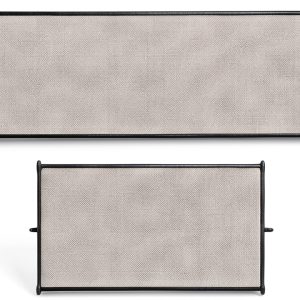 YHNNH Cat Balcony Net No Drill Pet Fence Safety Barrier