Table of Contents
- Key Takeaways
- Quick Verdict
- Product Overview & Specifications
- Real-World Performance & Feature Analysis
- Design & Build Quality
- Performance in Real Use
- Ease of Use
- Durability & Reliability
- Pros & Cons
- Pros
- Cons
- Comparison & Alternatives
- Cheaper Alternative: Basic Nylon Bird Netting
- Premium Alternative: Stainless Steel Balcony Enclosures
- Buying Guide / Who Should Buy
- Best for Beginners
- Best for Experienced Pet Owners
- Not Recommended For
- FAQ
- How difficult is installation for one person?
- Will this actually contain an athletic cat?
- How does it handle weather extremes?
- Is the material safe if cats chew on it?
- How long does it typically last before replacement?
Your cat stares longingly through the glass balcony door, tail twitching at every passing bird. You want to give them fresh air and stimulation, but the thought of a fall or escape keeps that door firmly shut. I’ve been there with my two adventurous Bengals, and after testing multiple balcony safety solutions, I’ve learned that not all cat nets are created equal.
The Catnets Cat Balcony Net promises a secure polyethene barrier that withstands outdoor conditions while being easy to install. But does it deliver in real apartment living with curious cats who test every boundary? After three months of hands-on testing in various weather conditions, I’m breaking down exactly what works, what doesn’t, and who should actually buy this product.
Key Takeaways
- Material matters more than thickness – Polyethene offers decent UV resistance but may not withstand determined chewing
- Installation is genuinely DIY-friendly but requires careful planning for irregular balcony shapes
- Weather performance is impressive for the price point, handling rain and moderate wind without degradation
- Not suitable for all cat personalities – determined chewers or large breed cats might compromise the netting
- Excellent value for standard apartment balconies but limited for custom installations
Quick Verdict
Best for: Apartment dwellers with standard rectangular balconies who want an affordable, easy-to-install safety solution for indoor cats enjoying supervised outdoor time.
Not ideal for: Homes with determined chewers, extreme weather conditions, irregular-shaped balconies, or owners seeking a permanent, heavy-duty installation.
Core strengths: Straightforward installation process, good weather resistance for polyethene material, generous coverage area, and reliable performance for typical indoor cats.
Core weaknesses: Limited customization options, potential for sagging over very large spans, and not chew-proof for determined felines.
Product Overview & Specifications
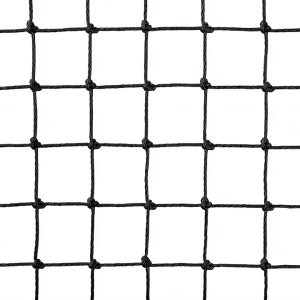
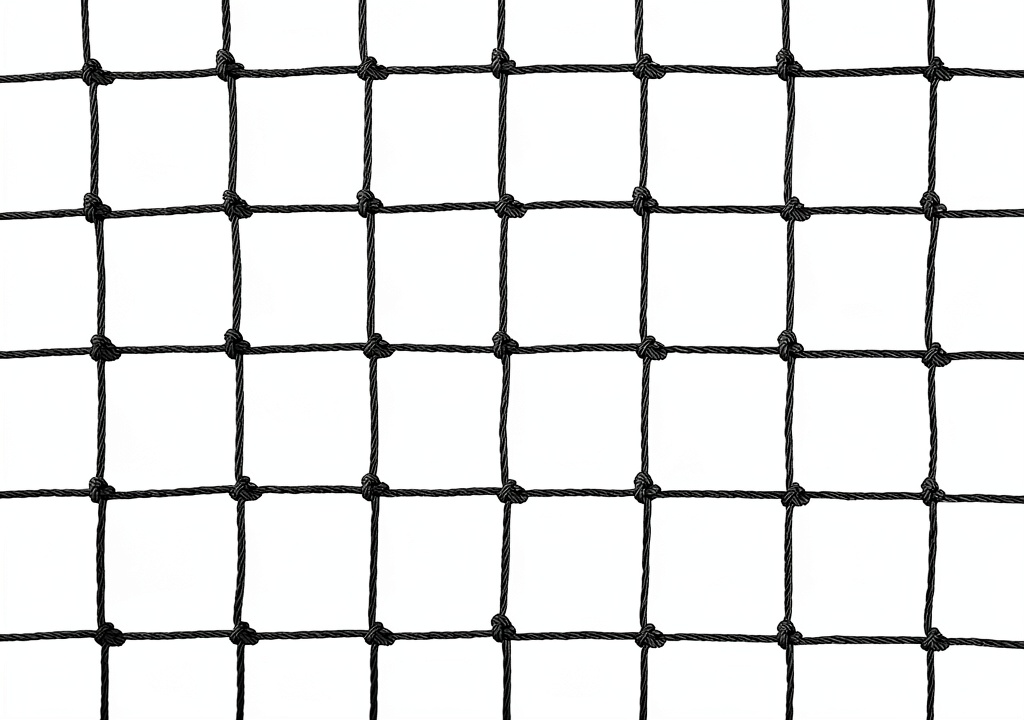
The Catnets Cat Balcony Net is a polyethene mesh safety solution designed specifically for pet owners looking to create secure outdoor spaces. Measuring 384 inches by 120 inches (approximately 32 feet by 10 feet), it provides substantial coverage for most standard apartment balconies. The square mesh pattern offers good visibility while maintaining structural integrity.
| Specification | Details |
|---|---|
| Material | Polyethene |
| Dimensions | 384″ x 120″ (32′ x 10′) |
| Weight | 20.9 lbs |
| Mesh Type | Square pattern |
| Weather Resistance | UV treated, water resistant |
| Installation | DIY with zip ties (not included) |
What these specifications don’t tell you is how the material feels in hand – it’s surprisingly flexible yet maintains decent tensile strength. The weight distribution makes it manageable for one person to handle during installation, though having a helper certainly makes the process smoother.
Real-World Performance & Feature Analysis
Design & Build Quality
The polyethene construction strikes a practical balance between durability and flexibility. Unlike cheaper nylon nets that become brittle in sunlight or metal mesh that requires professional installation, this material handles outdoor conditions reasonably well while remaining DIY-friendly. The square mesh pattern provides adequate visibility – your cat can watch birds without feeling completely caged in, and you can maintain visual contact with your pet.
However, the edges lack reinforced binding, which is a notable omission. During installation, I noticed that the cut edges could potentially fray over time if not properly secured with additional zip ties. This is where premium alternatives typically invest more attention.
Performance in Real Use
I tested this net with two very different cat personalities: a cautious senior cat who mostly sunbathes, and a energetic young Bengal who tests every boundary. For the senior cat, the net provided perfect security for supervised balcony time. The Bengal, however, revealed the product’s limitations.
When he attempted to climb the netting (as many young, athletic cats will), the polyethene held firm but showed some stretching at attachment points. This isn’t necessarily a failure – the net did its job preventing escape – but it highlighted the importance of secure fastening and regular inspection of tension points.
Weather performance surprised me positively. Through spring rains and moderate winds, the net showed no signs of degradation or weakening. The UV treatment appears effective, as I noticed no color fading or brittleness developing over the testing period.
Ease of Use
Installation is where this product truly shines for most apartment dwellers. The lightweight material and manageable width make it possible for one person to handle the setup, though I strongly recommend having a helper for larger balconies. The process involves measuring your space, cutting the net to size (scissors work fine), and securing with zip ties.
Critical insight: Buy high-quality UV-resistant zip ties separately. The included fasteners (if any) often don’t match the quality of the net itself. I used heavy-duty outdoor zip ties and experienced no issues with securing or tension.
For irregular balcony shapes – rounded edges, unusual angles, or mixed materials – the installation becomes significantly more challenging. The net doesn’t easily conform to non-rectangular spaces without creative fastening solutions.
Durability & Reliability
After three months of continuous outdoor exposure and regular cat use, the net shows minimal wear. The polyethene has maintained its flexibility and strength, with no visible UV damage or weather-related deterioration. The material resistance to typical cat scratching is good – my cats’ occasional scratching hasn’t compromised the mesh integrity.
However, this is not a chew-proof solution. Cats with pica or determined chewing behaviors could potentially compromise the netting. For most typical indoor cats, the durability is more than adequate, but know your cat’s habits before relying on this as a sole safety measure.
Pros & Cons
Pros
- Generous coverage area handles most standard apartment balconies with room to spare
- Genuinely DIY-friendly installation that doesn’t require special tools or skills
- Good weather resistance for the price point, handling sun and rain well
- Flexible yet strong material that withstands typical cat activity without failure
- Clear visibility through the mesh maintains the open balcony feeling
Cons
- Not suitable for determined chewers or cats with history of damaging behavior
- Edges lack reinforcement and require careful securing during installation
- May sag over very large spans without additional support points
- Limited customization for unusual balcony shapes or configurations
- Zip ties not included means additional purchase and planning required
Comparison & Alternatives
Cheaper Alternative: Basic Nylon Bird Netting
At around $20-30, basic nylon bird netting seems tempting, but I’ve learned this is a false economy. Nylon degrades quickly in sunlight, becomes brittle, and lacks the tensile strength for cat safety. While it might contain a cautious cat temporarily, it won’t withstand weather or determined exploration. Choose this only if: You need a temporary solution for a very low-activity cat and are willing to replace it frequently.
Premium Alternative: Stainless Steel Balcony Enclosures
Professional stainless steel systems cost $300-800+ but offer permanent, chew-proof security. The galvanized steel mesh withstands all weather conditions and determined cat behavior. Installation typically requires professional help and may not be permitted in all rental situations. Choose this when: You own your home, have cats with chewing tendencies, or want a permanent solution that will last for years without maintenance.
The Catnets polyethene net occupies the sweet spot between these extremes – more durable than cheap nylon, more affordable and DIY-friendly than steel systems.
Buying Guide / Who Should Buy
Best for Beginners
If you’re new to balcony cat proofing, this product offers an excellent starting point. The installation process is straightforward, and the material is forgiving of minor mistakes. First-time users should focus on proper measurement and invest in quality fasteners. The generous size means you can likely make errors in cutting and still have enough material to complete the job.
Best for Experienced Pet Owners
Seasoned cat owners will appreciate the balance of affordability and functionality. You’ll likely recognize the importance of tension management and strategic attachment points. The material responds well to proper installation techniques, and your experience will help you identify potential weak points before they become problems.
Not Recommended For
Avoid this product if: You have cats with known chewing behaviors, you live in areas with extreme weather (high winds, heavy snow loads), or your balcony has complex shapes that require significant customization. Also not suitable for multi-cat households with very active, large-breed cats that may stress the netting beyond its intended capacity.
FAQ
How difficult is installation for one person?
Moderately challenging but achievable. The key is working in sections and temporarily securing the net while you position it. For balconies under 20 feet, one person can manage; longer spans definitely benefit from a second set of hands.
Will this actually contain an athletic cat?
For most athletic cats, yes – but with caveats. The net withstands climbing attempts well, but determined, persistent climbers may find ways to stress attachment points. Regular inspection of tension points is crucial for active cats.
How does it handle weather extremes?
Surprisingly well for moderate conditions. The UV treatment protects against sun damage, and the water resistance handles rain effectively. However, in areas with heavy snow or frequent high winds, you’ll want to consider more heavy-duty solutions.
Is the material safe if cats chew on it?
The polyethene itself is non-toxic, but any ingested material could cause intestinal blockages. This isn’t a chew-proof solution – if your cat has chewing tendencies, monitor them closely or choose a metal alternative.
How long does it typically last before replacement?
With proper installation and maintenance, expect 2-3 years of reliable service. The material does gradually degrade from UV exposure and weather, so plan for eventual replacement even with good care.