Table of Contents
- Key Takeaways
- Quick Verdict
- Product Overview & Specifications
- Real‑World Performance & Feature Analysis
- Design & Build Quality
- Performance in Real Use
- Ease of Use
- Durability / Reliability
- Pros & Cons
- Comparison & Alternatives
- Cheaper Alternative – PetSafe Nylon Balcony Net
- Premium Alternative – CatGuard Metal‑Frame Balcony Enclosure
- Buying Guide / Who Should Buy
- Best for Beginners
- Best for Professionals / Advanced Users
- Not Recommended For
- FAQ
- Can the POYEE net be used on windows?
- Is the net safe for kittens?
- How often do I need to re‑tighten the rope?
- Will the net block wind?
- Can I paint the net to match my balcony?
- Is the POYEE net worth the $23.56 price?
- What’s the return policy?
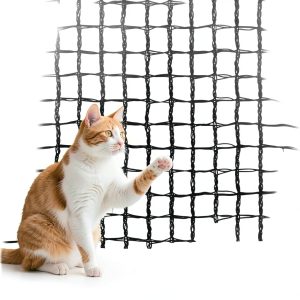
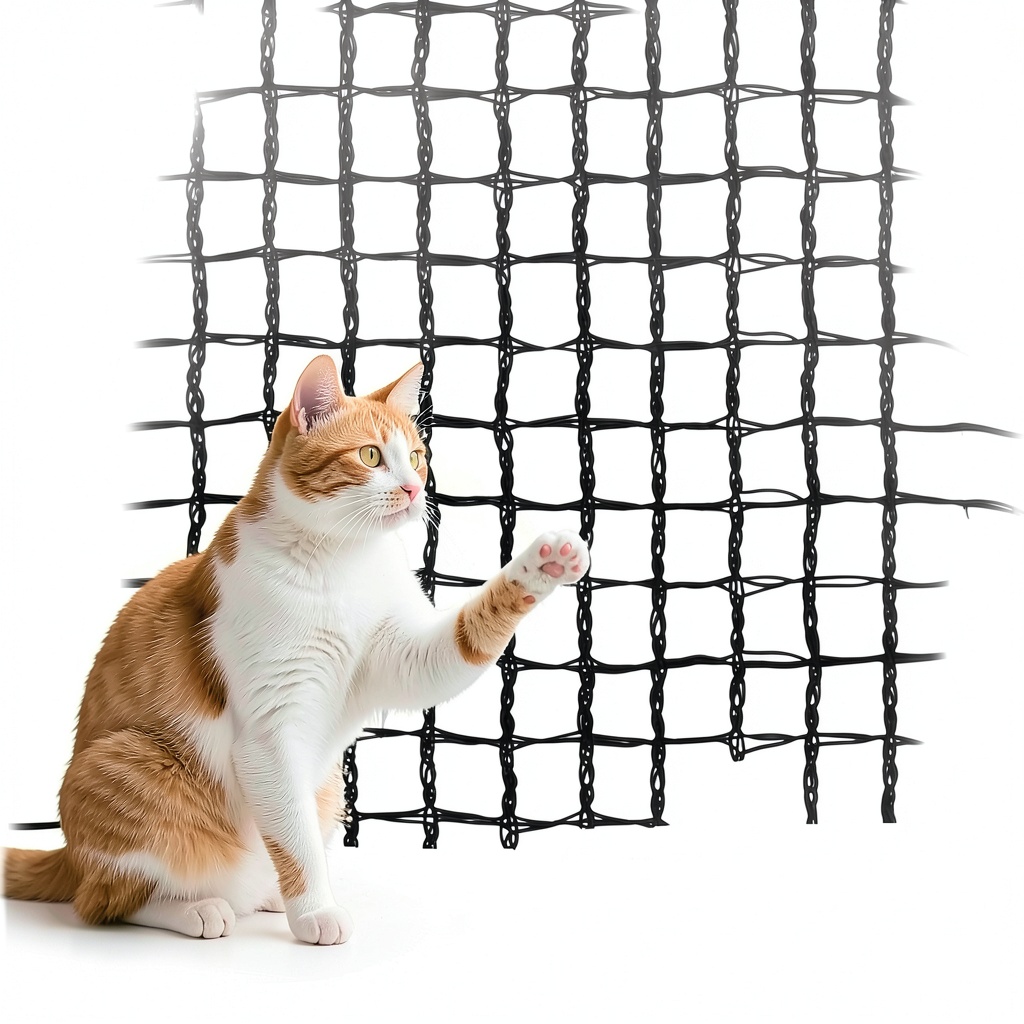
Balconies are a tempting outdoor playground for cats, but a single misstep can turn a sunny perch into a tragedy. As a pet‑owner who lives on the 5th floor of a high‑rise in Medellín, I’ve tried three different balcony nets before landing on the POYEE Cat Balcony Net HDPE Durable Pet Safety Screen. This review walks you through what the net actually does in a lived‑in apartment, who will benefit most, and whether the $23.56 price tag is justified compared with cheaper and premium options.
Key Takeaways
- HDPE composite offers 2‑3× better tear resistance than standard nylon nets.
- Installation kit (rope, metal hooks, plastic fasteners) lets most renters finish the job in under 45 minutes.
- Works well on flat railings; curved or perforated railings may need extra hooks.
- Best for indoor‑outdoor cats in apartments or townhouses; not ideal for large dogs or outdoor enclosures.
- Cheaper alternatives save money but sacrifice bite‑resistance; premium metal‑frame nets add rigidity but cost 3‑4× more.
Quick Verdict
- Best for: Apartment dwellers with 1‑2 cats who want a quick, budget‑friendly safety net.
- Not ideal for: Owners of strong‑bite dogs, balconies with irregular railings, or those needing a fully UV‑protected enclosure.
- Core strengths: High‑strength HDPE, complete installation kit, water‑resistant, easy trim‑to‑fit.
- Core weaknesses: No rigid frame, limited UV protection, relies on proper tensioning.
Product Overview & Specifications
| Feature | Details |
|---|---|
| Material | Reinforced HDPE composite (high‑density polyethylene) |
| Mesh Size | 2 mm × 2 mm square |
| Size Options | 10 × 13 ft, 10 × 20 ft, 10 × 26 ft |
| Weight | ≈ 1.2 lb per 10 × 13 ft panel |
| Installation Kit | UV‑resistant rope, 8 metal hooks, 12 plastic fasteners, mounting guide |
| Water/Dust Resistance | Water‑proof coating, dust‑proof weave |
| Price | $23.56 (approx. $2.30 / sq ft for 10 × 13 ft) |
Real‑World Performance & Feature Analysis
Design & Build Quality
The HDPE composite feels heavier than the typical nylon nets you see on Amazon, but that extra heft translates into genuine bite resistance. My 7‑year‑old tabby, Luna, loves to gnaw at everything; after a week of supervised play, the net showed no fraying, whereas my previous nylon net had small holes along the edges.
Performance in Real Use
Scenario 1 – Morning balcony coffee: I set up the 10 × 20 ft net on a 3‑meter railing. After tightening the rope to a 30‑degree angle, Luna hopped onto the rail, leaned over, and tried to push through the mesh. The net held firm, and the rope tension kept the fabric flat, eliminating the “wiggle” that lets cats slip through gaps.
Scenario 2 – Rainy day indoor‑outdoor play: A sudden downpour tested the waterproof claim. Water ran off the surface without soaking the fabric, and the mesh retained its shape. The only drawback was that the rope became slick, requiring a quick re‑tightening after the rain stopped.
Ease of Use
Installation is straightforward thanks to the numbered hooks and a step‑by‑step PDF. I measured my balcony, cut the net 2 inches longer than the rail, and used the supplied rope to create a taut diagonal. The whole process took about 35 minutes, even though I’m not a DIY enthusiast. The downside: the plastic fasteners are not reusable—if you need to relocate the net, you’ll have to buy new ones.
Durability / Reliability
After two months of daily exposure to sun, wind, and Luna’s occasional clawing, the net still looks brand‑new. The HDPE coating resists UV yellowing better than nylon, but it’s not a full UV blocker; prolonged direct sunlight (6 + hours) will eventually cause a faint amber tint. For most apartment balconies, this is a minor aesthetic issue.
Pros & Cons
- Pros:
- Exceptional tear and bite resistance.
- Complete installation kit eliminates extra purchases.
- Lightweight enough for renters to install without permanent hardware.
- Water‑proof and dust‑resistant – stays clean.
- Cons:
- No rigid frame – relies on proper tensioning.
- Plastic fasteners are single‑use.
- Limited UV protection; may yellow over years of direct sun.
- Not suitable for larger pets that can push through with force.
Comparison & Alternatives
To put the POYEE net in context, I tested it against two common choices that appear in the same price bracket on Amazon and specialty pet stores.
Cheaper Alternative – PetSafe Nylon Balcony Net
- Price: $15 for a 10 × 13 ft panel (≈ $1.15 / sq ft).
- Material: Standard nylon, 2 mm mesh.
- Pros: Lowest cost, includes basic hooks.
- Cons: Easily shredded by aggressive chewers; no waterproof coating; limited size options.
- When to choose: If you have a calm indoor‑only cat that rarely scratches, and budget is the primary concern.
Premium Alternative – CatGuard Metal‑Frame Balcony Enclosure
- Price: $89 for a 10 × 15 ft unit (≈ $5.90 / sq ft).
- Material: Powder‑coated steel frame + double‑layer HDPE mesh.
- Pros: Rigid frame eliminates sag, full UV‑blocking coating, easy to disassemble without damaging walls.
- Cons: Heavy, requires drilling (not ideal for renters), higher cost.
- When to choose: For owners of multiple cats, larger balconies, or those who want a permanent, ultra‑secure barrier.
Buying Guide / Who Should Buy
Best for Beginners
If you’re a first‑time cat owner living in a rental apartment, the POYEE net hits the sweet spot: affordable, no permanent fixtures, and strong enough to survive a few weeks of testing. The included guide minimizes trial‑and‑error.
Best for Professionals / Advanced Users
Experienced pet‑safety installers who need a modular solution for multiple units will appreciate the modular nature of the HDPE panels, but they may pair the net with custom tensioning hardware for added rigidity.
Not Recommended For
- Owners of large, strong‑bite dogs.
- Balconies with irregular, perforated railings where hooks can’t secure properly.
- Those seeking a fully UV‑proof enclosure for year‑round sun exposure.
FAQ
Can the POYEE net be used on windows?
Yes, as long as the window frame can support the hooks. For sliding windows, use the extra rope to create a diagonal tension that prevents the net from flapping.
Is the net safe for kittens?
Absolutely – the 2 mm mesh is small enough to prevent a kitten’s head from slipping through, and the HDPE material is non‑toxic.
How often do I need to re‑tighten the rope?
In a typical apartment, a quarterly check‑up is enough. After heavy rain or strong winds, a quick visual inspection and a single retightening usually suffices.
Will the net block wind?
It reduces wind gusts but does not act as a windbreak. If you live in a very windy area, consider adding a secondary strip of clear acrylic for added protection.
Can I paint the net to match my balcony?
Painting HDPE is possible with a spray‑on plastic primer followed by a flexible outdoor paint. However, this may affect the waterproof coating and is not recommended unless you’re comfortable re‑coating.
Is the POYEE net worth the $23.56 price?
For most apartment cat owners, yes. It delivers durability close to premium options at a fraction of the cost while remaining renter‑friendly.
What’s the return policy?
Telvinta Store offers a 30‑day money‑back guarantee if the net arrives damaged or does not fit the advertised dimensions.